
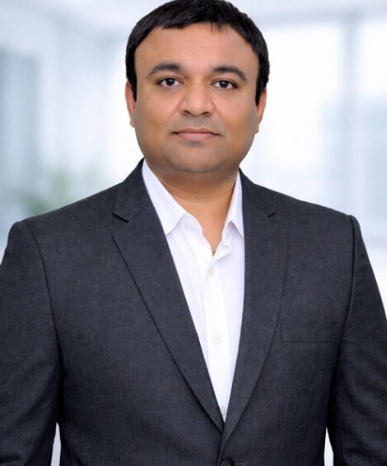
As Indian agriculture navigates the dual challenge of increasing food production while adapting to climate change, technology and sustainability are emerging as the cornerstones of long-term growth. Farmers today are looking beyond traditional practices, embracing data-driven insights, climate-smart solutions, and efficient resource management to build more resilient and profitable farming systems.
In this exclusive interview, Sandip Patel, Director, FarmPeace, shares how the organization is empowering farmers through innovative agricultural solutions that balance productivity with environmental responsibility. From leveraging technology and scientific advisory services to addressing climate resilience and strengthening India’s agricultural ecosystem, Patel discusses the key challenges, emerging opportunities, and FarmPeace’s vision for creating a more sustainable, technology-enabled, and farmer-centric future over the next five years.
1. With sustainability becoming a key priority in agriculture, how is FarmPeace helping farmers balance productivity with environmental responsibility?
Sustainability and productivity should not be viewed as competing goals. At FarmPeace, we believe that the most successful farming systems are those that enhance yields while preserving natural resources for future generations. Our approach focuses on promoting efficient use of water, improving soil health, encouraging balanced nutrient management, and reducing unnecessary input costs through data-driven recommendations. We work closely with farmers to adopt practices that improve resource efficiency and long-term farm resilience. By combining scientific insights with practical field-level solutions, we help farmers achieve higher productivity while minimizing environmental impact. Sustainable agriculture is not just about protecting the environment it is also about improving profitability and ensuring long-term viability for farming communities.
2. What are some of the biggest challenges Indian farmers face today, and where do you see the greatest opportunities for innovation?
Indian farmers face a complex set of challenges, including climate variability, rising input costs, fragmented land holdings, market volatility, water scarcity, and limited access to timely information. These challenges often create uncertainty and impact farm profitability.
At the same time, these issues present significant opportunities for innovation. Technologies that enable precision farming, climate forecasting, digital advisory services, supply chain transparency, and improved market linkages can create meaningful change. There is also tremendous potential in developing solutions that make agriculture more predictable, efficient, and accessible for smallholder farmers. The future lies in innovations that are practical, affordable, and scalable across diverse farming landscapes.
3. How is FarmPeace leveraging technology and data to make farming more profitable and resilient for growers?
Technology and data are becoming essential tools for modern agriculture. At FarmPeace, we use data-driven insights to help farmers make informed decisions throughout the crop cycle. This includes improving resource management, optimizing input usage, monitoring crop health, and supporting better planning based on local conditions.
By transforming complex agricultural data into actionable recommendations, we enable farmers to reduce risks, improve productivity, and enhance profitability. Technology also plays a critical role in strengthening resilience by helping growers anticipate challenges, respond more effectively to changing conditions, and make decisions that support both short-term performance and long-term sustainability.
4. As climate unpredictability increases, what strategies should agri-businesses adopt to ensure long-term food security and farmer prosperity?
Climate resilience must become a core component of agricultural strategy. Agri-businesses need to move beyond traditional production-focused models and invest in solutions that strengthen adaptability across the entire agricultural value chain.
This includes promoting climate-smart farming practices, improving water-use efficiency, supporting soil regeneration, encouraging crop diversification, and providing farmers with access to timely weather and risk-management information. Collaboration between private enterprises, governments, research institutions, and farming communities will also be essential. Long-term food security depends not only on increasing production but also on building resilient agricultural systems that can withstand environmental and economic disruptions.
5. Looking ahead, what is FarmPeace’s vision for transforming India’s agricultural ecosystem over the next five years?
Our vision is to contribute to a more resilient, technology-enabled, and farmer-centric agricultural ecosystem. Over the next five years, we aim to expand access to innovative solutions that help farmers improve productivity, increase profitability, and adopt sustainable farming practices with confidence.
We see a future where every farmer regardless of farm size has access to reliable data, scientific advisory services, efficient resource management tools, and stronger market opportunities. FarmPeace’s focus will remain on creating measurable impact at the grassroots level while fostering an agricultural ecosystem that is economically viable, environmentally responsible, and prepared for the challenges of the future.